Click to see OUR Gallery
Quality, not quantity
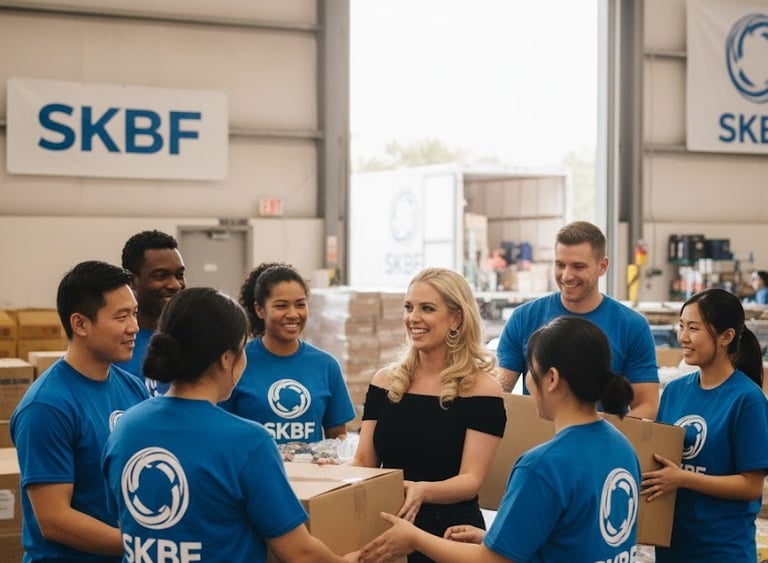
SKBF is a non profit organization dedicated to mental health. We have made quality our habit. It’s not something that we just strive for – we live by this principle every day. This non profit started as a small foundation back in 2007 with a focus on providing educational services about mental health. The nonprofit's founder embodies an unwavering passion for providing accessible mental health services. She has selflessly devoted her time and resources to nurturing this nonprofit, driven by a deep commitment to its mission and the communities served. Understanding the critical importance of mental health in overall well-being, we have dedicated our efforts to breaking down barriers that often prevent individuals from seeking the support they need. This commitment extends beyond mental health; we actively collaborates with various community programs to address the fundamental survival and educational needs of individuals and families.
Through workshops, outreach programs, and educational initiatives, the nonprofit is committed to empowering individuals with the knowledge and resources necessary to navigate their circumstances. The founder believes that by simultaneously addressing mental health and basic survival needs—such as food security, housing, and education—they can create a supportive environment where individuals can thrive.
The core of the nonprofit’s mission reflects a vision where every person has access to mental health resources, and no one is left to struggle alone. The founder’s dedication to this cause is evident in every program they initiate, advocating for inclusivity and access for all, regardless of their background. The founder’s passion serves not only as a guiding light for the nonprofit but also inspires others in the community to join in these efforts, amplifying the impact and reach of their work.
The organization is committed to improving mental health awareness and accessibility for all individuals. By providing resources, support, and education, it aims to break the stigma surrounding mental health issues and encourage open conversations. Through various initiatives, including workshops, counseling services, and community outreach programs, the organization strives to create a safe and inclusive environment where people can seek help without fear of judgment. Furthermore, by collaborating with mental health professionals and advocating for policy changes, the organization works to ensure that mental health resources are available and equitable for everyone. Ultimately, its mission is to empower individuals to take charge of their mental well-being and foster a community that prioritizes mental health as a fundamental aspect of overall health.
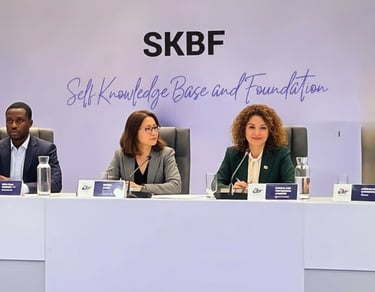
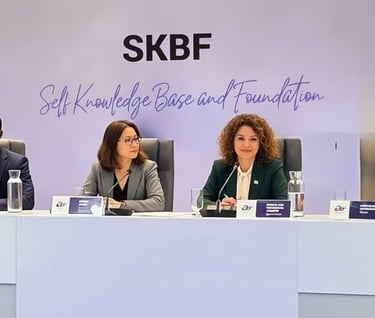
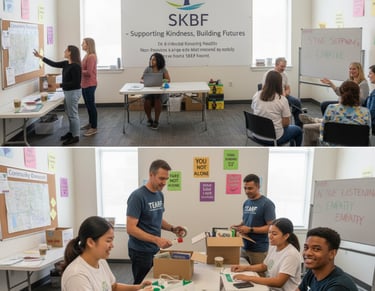
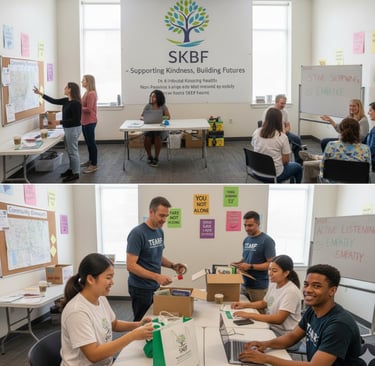
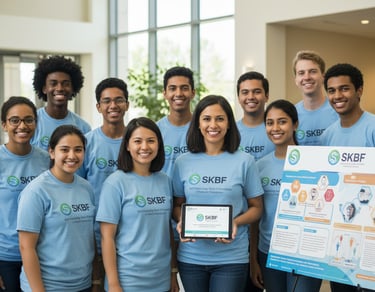
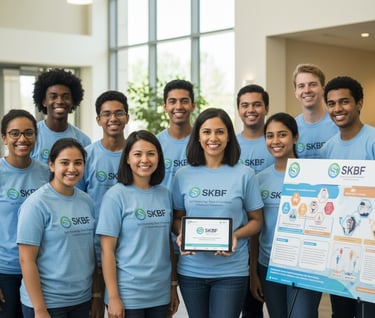
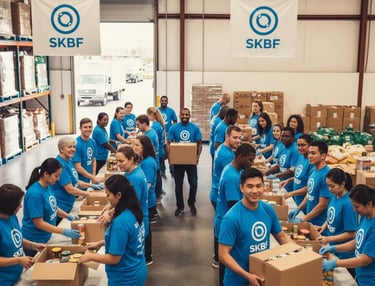

Gallery SKBF
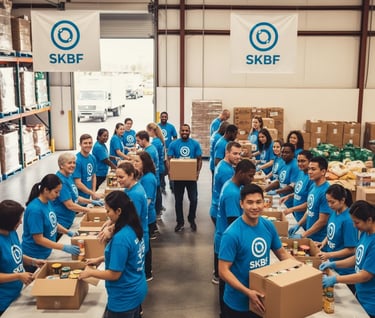
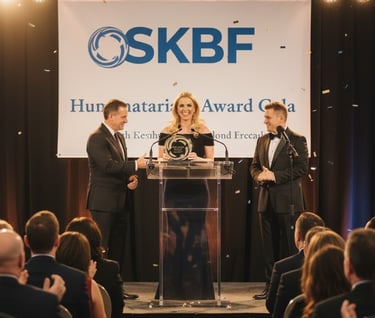
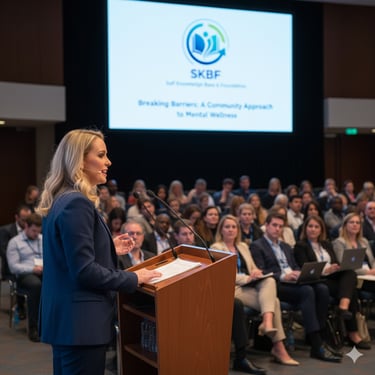
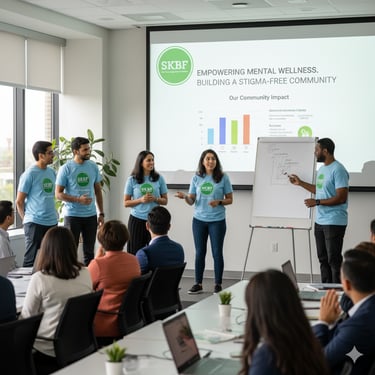
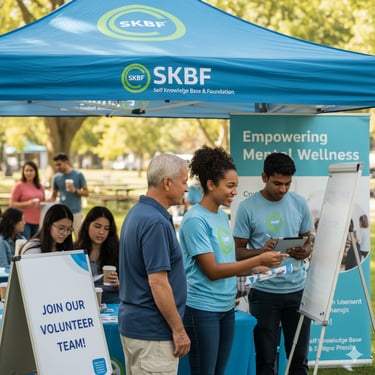
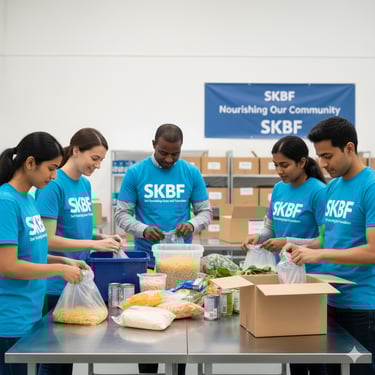
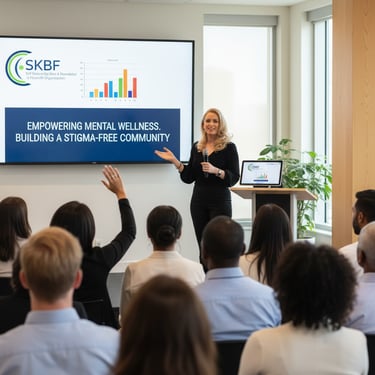
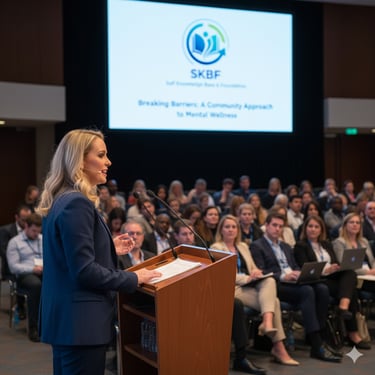
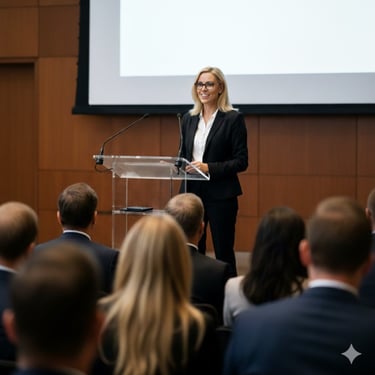
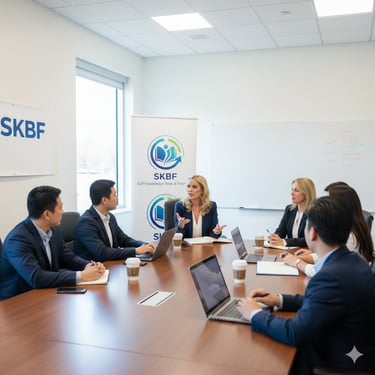
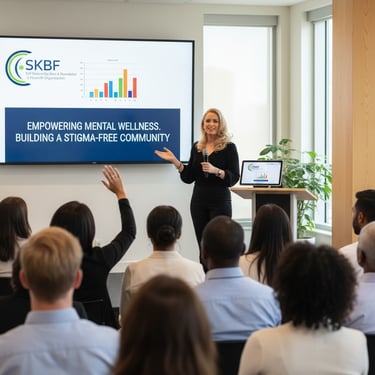
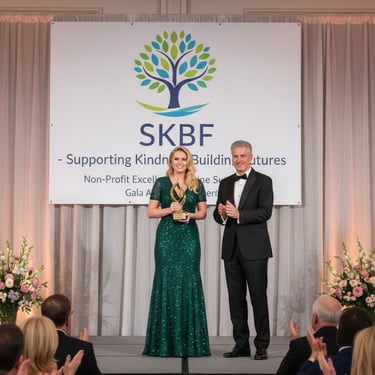
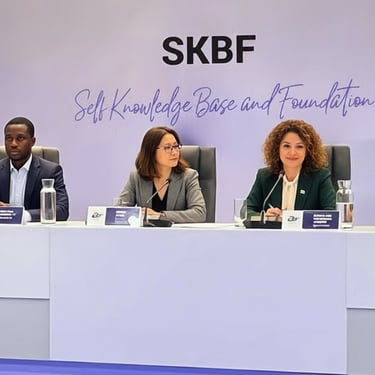
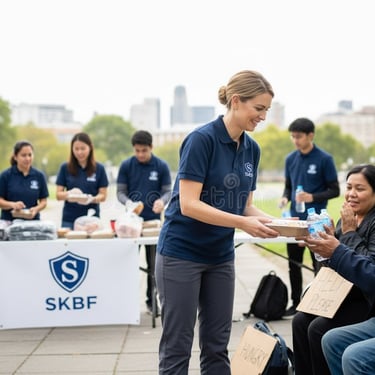
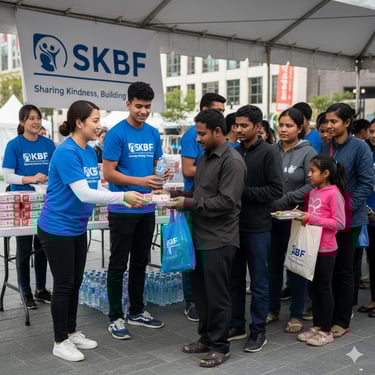
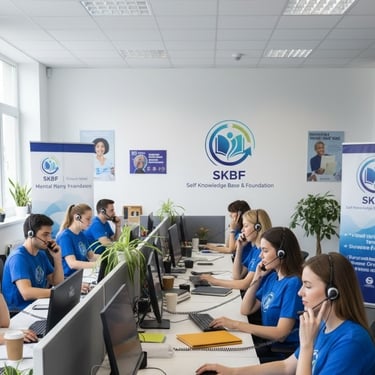
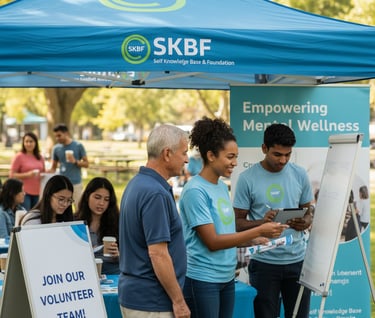
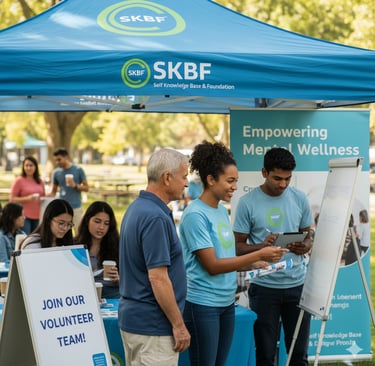
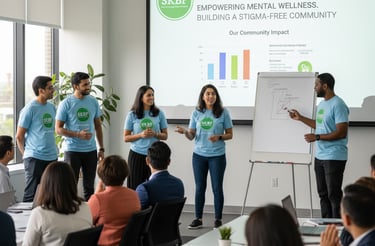
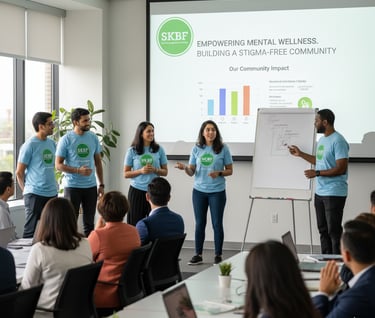
See some of our Gala, presentations, meetings and volunteer award images for 2024-2025 below (for images before 2024, click HERE)











First of all
About Us
Learn more about our non-profit organization and how we strive to provide quality mental health services and educational material to the community. Our dedicated volunteers are committed to promoting human dignity and improving the well-being of individuals. SKBF is a non-profit organization that offers high-quality mental health services and educational material. Through direct outreach, referral services, and partnerships, we strive to reach and serve the community more efficiently. Our evidence-based therapeutic services, educational seminars, workshops, and blogs form the foundation of our work. Join us in our efforts to reduce diagnostic and treatment errors, lower readmission rates, and promote a healthy lifestyle.
We are a dedicated group of individuals united by our passion for mental health and well-being. Our mission is to raise awareness about the importance of mental wellness and to foster supportive environments where people can openly discuss their mental health challenges. We believe that everyone deserves the right to prioritize their mental well-being and access the resources they need for a healthier mind. Through workshops, discussions, and community outreach, we aim to empower individuals to take charge of their mental health journeys. We recognize that mental well-being is multifaceted, and we are committed to promoting understanding, empathy, and effective coping strategies. Together, we strive to create a world where mental health is recognized as a crucial aspect of overall health, encouraging everyone to pursue their well-being without stigma or fear.
Not to mention
Our Services
Discover the range of mental health services we offer to support individuals in their journey towards better mental well-being. Our dedicated team of professionals is committed to providing evidence-based therapeutic services and educational material to help you live a healthier life.
At our organization, we are committed to redefining mental health services by integrating innovative outreach programs that extend beyond traditional therapy. Understanding that mental well-being encompasses various facets of life, we offer a holistic approach that focuses on prevention, awareness, and community engagement. Our forward-thinking initiatives leverage technology and creative methodologies to reach individuals where they are, fostering a supportive environment that encourages dialogue and connection. By collaborating with schools, organizations, and local communities, we strive to break down barriers and reduce stigma associated with mental health. Our aim is not only to provide support but also to empower individuals to take charge of their mental health in a rapidly evolving world. Through these progressive outreach programs, we envision a future where mental health care is accessible, inclusive, and proactive.
And let's not forget
Outreach Programs
Learn about our outreach programs aimed at raising awareness, reducing stigma, and providing support to individuals and communities in need. Through direct outreach, referral services, and partnerships, we strive to make a positive impact on mental health by connecting with diverse populations and addressing their unique needs.
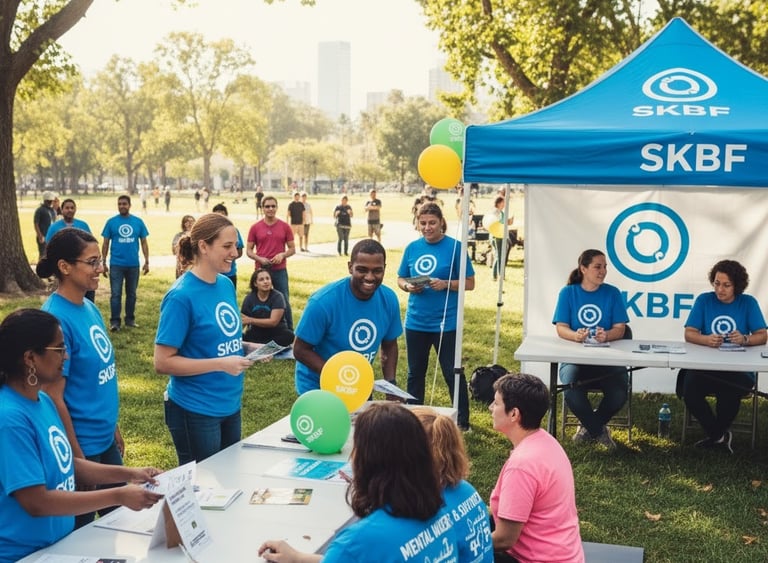
Our outreach program is dedicated to raising awareness and facilitating connections between individuals and essential resources. By informing the community about various support services available, we aim to empower those in need and create a network of assistance. Through workshops, informational sessions, and community events, we provide valuable insights that help people navigate challenges and access the resources they require. Our approach fosters a sense of belonging and encourages collaboration among community members. By bridging gaps and promoting understanding, we strive to enhance the overall well-being of our participants, ensuring they feel supported and informed. Together, we can build a stronger, more resilient community.
Promoting Mental Wellness for All
Subscribe to our newsletter
Every month we deliver about 4 scientifically researched articles to thousands of subscribers. These articles include tips on mental health and have been meticulously researched and filtered of any biased information.
Address
43803 Michener Dr. 2nd Floor, Ashburn Virginia 20147
EIN (Tax ID): 30-0559436
NPI: Provider Identity: NPI 1780467993 (Verifiable via NPPES Registry)
501(c)(3) Status: State: "Self Knowledge Base & Foundation (SKBF) is a registered 501(c)(3) nonprofit organization."
Self Knowledge Base & Foundation (SKBF) is the sole member/owner of Evidence Based Consultation (EBC LLC).
Email: info@selfknowledgebase.com
Phone:(443) 937-3183